Uterine fibroids are extremely common, but when they cause heavy bleeding, pain, or fertility concerns, surgery may be the best way forward. Dr. Nidhi Agrawal offers a minimally invasive way to remove fibroids while preserving the uterus — an especially important option for women who wish to have children in the future.
Uterine fibroids are non-cancerous growths that develop in or around the uterus. They vary widely in size, number, and location, and many women have them without even knowing, since small fibroids often cause no symptoms at all.
A myomectomy is a surgery to remove uterine fibroids while leaving the uterus in place — different from a hysterectomy, which removes the entire uterus. It is usually the preferred option for women who want to preserve fertility or simply wish to keep their uterus intact. Dr. Nidhi Agrawal evaluates the size, number, and position of fibroids using ultrasound or MRI before recommending the right treatment path.
"Precise, uterus-preserving technique directly affects how well the uterus heals and functions afterward."
Many women have fibroids without symptoms, but uterine fibroid surgery may be recommended when fibroids lead to:
Heavy or prolonged menstrual bleeding that disrupts daily life and doesn't improve with other treatment.
Persistent pelvic pain or a feeling of pressure caused by the size or position of the fibroids.
An urge to urinate often, caused by fibroids pressing on the bladder.
Fibroids that interfere with implantation or fertility, making conception more difficult.
Repeated pregnancy loss linked to the size, number, or position of fibroids within the uterus.
A visibly enlarged abdomen, seen in more advanced cases with larger or multiple fibroids.
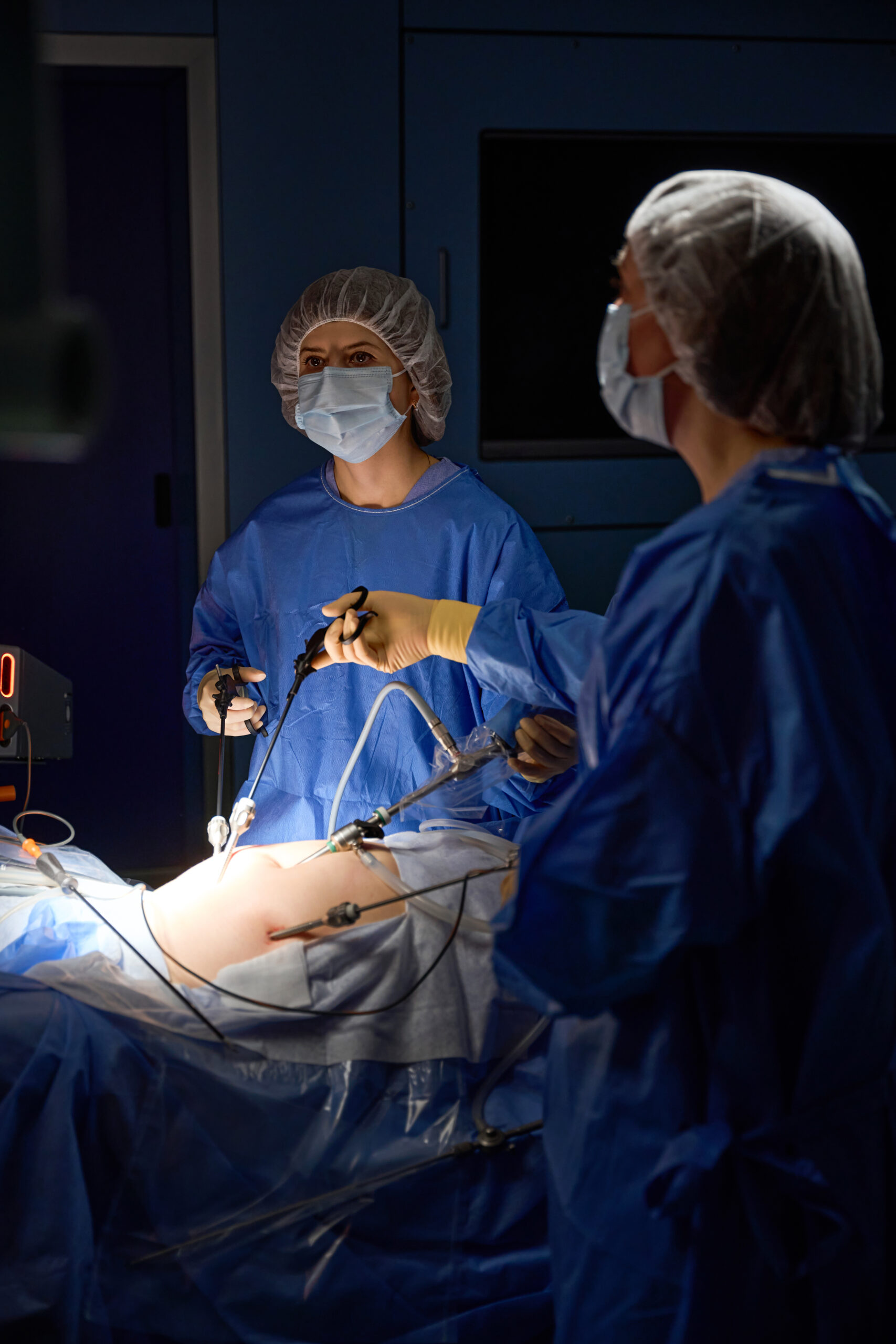
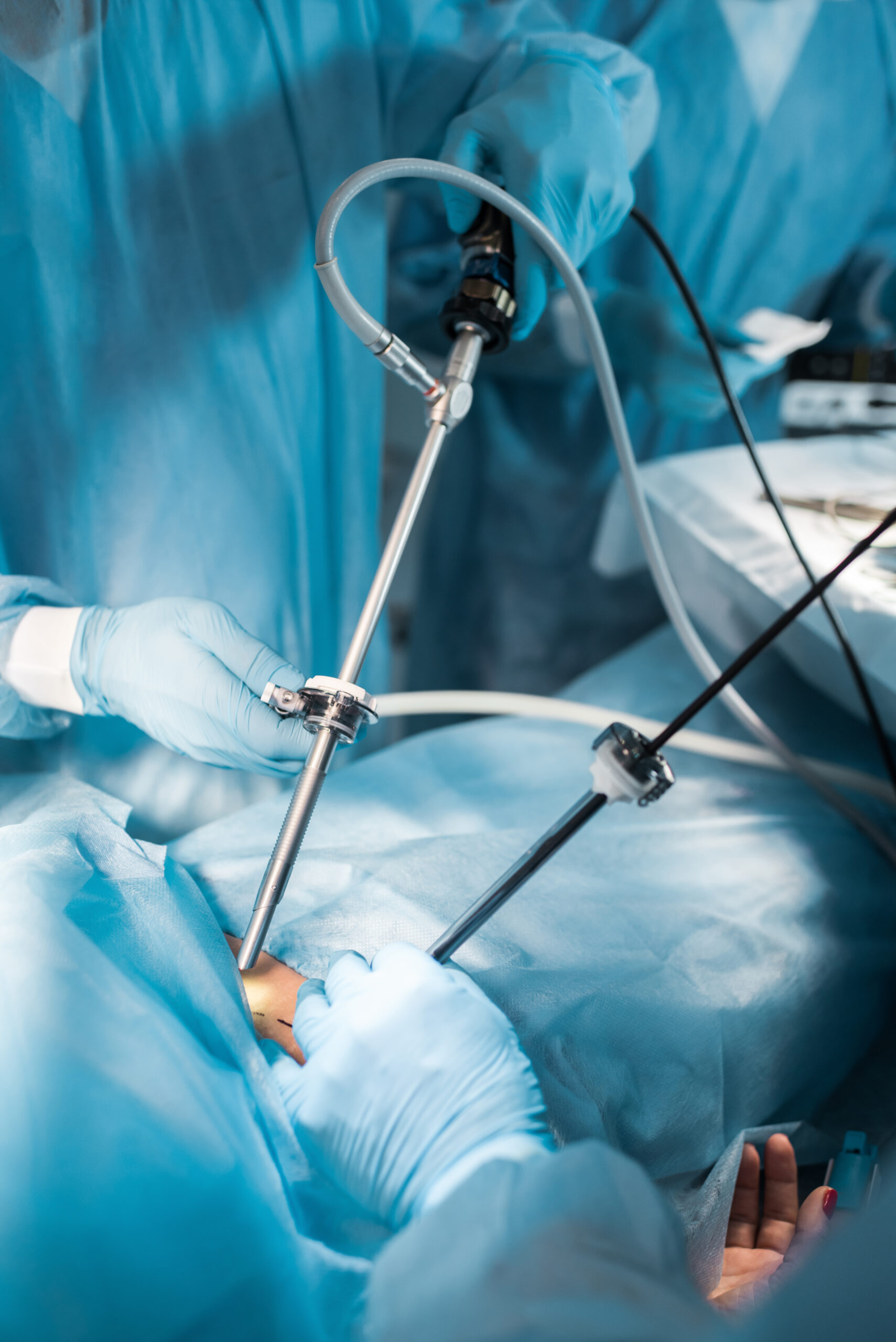
A laparoscopic myomectomy is performed through a few small incisions in the abdomen, using a thin camera and specialized instruments, instead of one large surgical cut. Dr. Nidhi Agrawal uses this technique whenever it is medically appropriate.
Small incisions mean far less visible scarring than with open surgery.
Less blood loss during surgery thanks to the precision of laparoscopic instruments.
Smaller wounds carry a lower risk of post-surgical infection.
Most patients go home within 1–2 days of the procedure.
A quicker return to daily activities and work than open surgery allows.
Dr. Nidhi Agrawal determines whether a laparoscopic, hysteroscopic, or combined approach best suits your fibroid pattern.
The patient receives general anesthesia before the procedure begins.
A few small incisions are made in the abdomen.
The laparoscope provides a clear, magnified view of the uterus and fibroids.
Each fibroid is carefully separated from the surrounding uterine muscle and removed.
The uterine wall is repaired and stitched in layers to maintain its strength.
The small incisions are closed, usually with dissolvable stitches. The procedure typically takes 1–3 hours.
One of the biggest benefits of a laparoscopic approach is a considerably shorter recovery period compared to open surgery.
Usually 1–2 days, with monitoring and pain managed by the care team.
Possible within 1–2 weeks of surgery.
Typically 2–3 weeks, depending on the nature of the job.
Generally around 4 weeks; heavy lifting or strenuous exercise is best avoided for 4–6 weeks.
A myomectomy removes only the fibroids and preserves the uterus, while a hysterectomy removes the entire uterus. Myomectomy is typically chosen when a woman wants to retain fertility or keep her uterus.
It depends on the size, number, and location of the fibroids. Dr. Nidhi Agrawal evaluates each case individually to determine whether a laparoscopic approach is safe and effective, or whether an alternative technique is needed.
Many women go on to have successful pregnancies after myomectomy, since the uterus is preserved and repaired during surgery. Your doctor will advise on a safe waiting period before trying to conceive.
Most patients return to light activities within 1–2 weeks and achieve full recovery in about 4 weeks, though this can vary based on the extent of the surgery.
In many cases, doctors recommend a cesarean delivery after myomectomy to reduce strain on the repaired uterine wall, though this depends on the specifics of your surgery. Discuss this with your doctor during prenatal care.
While a myomectomy removes existing fibroids, it is possible for new fibroids to develop over time, since the underlying tendency to form fibroids isn't eliminated by the surgery. Most women, however, experience significant, lasting relief from their symptoms. Dr. Nidhi Agrawal discusses long-term monitoring and lifestyle guidance to help manage this risk.
If fibroids are affecting your health or fertility, Dr. Nidhi Agrawal offers expert, uterus-preserving care through the best laparoscopic myomectomy in Noida. Reach out today to schedule a consultation.
Book Appointment