
If your gynaecologist has raised the idea of surgery, it's natural to have questions. Dr. Nidhi Agrawal, a trusted name for vaginal hysterectomy surgery in Noida, walks you through what the procedure involves, how it compares to other methods, and what recovery looks like — in plain, honest terms.

A vaginal hysterectomy removes the uterus through the vaginal canal, without any cuts on the abdomen. That sets it apart from open surgery, which needs a large incision, and from laparoscopic surgery, which uses small abdominal cuts and a camera.
Dr. Nidhi Agrawal evaluates uterus size, medical history, and overall health for each patient to confirm whether this approach is the right fit before recommending it.
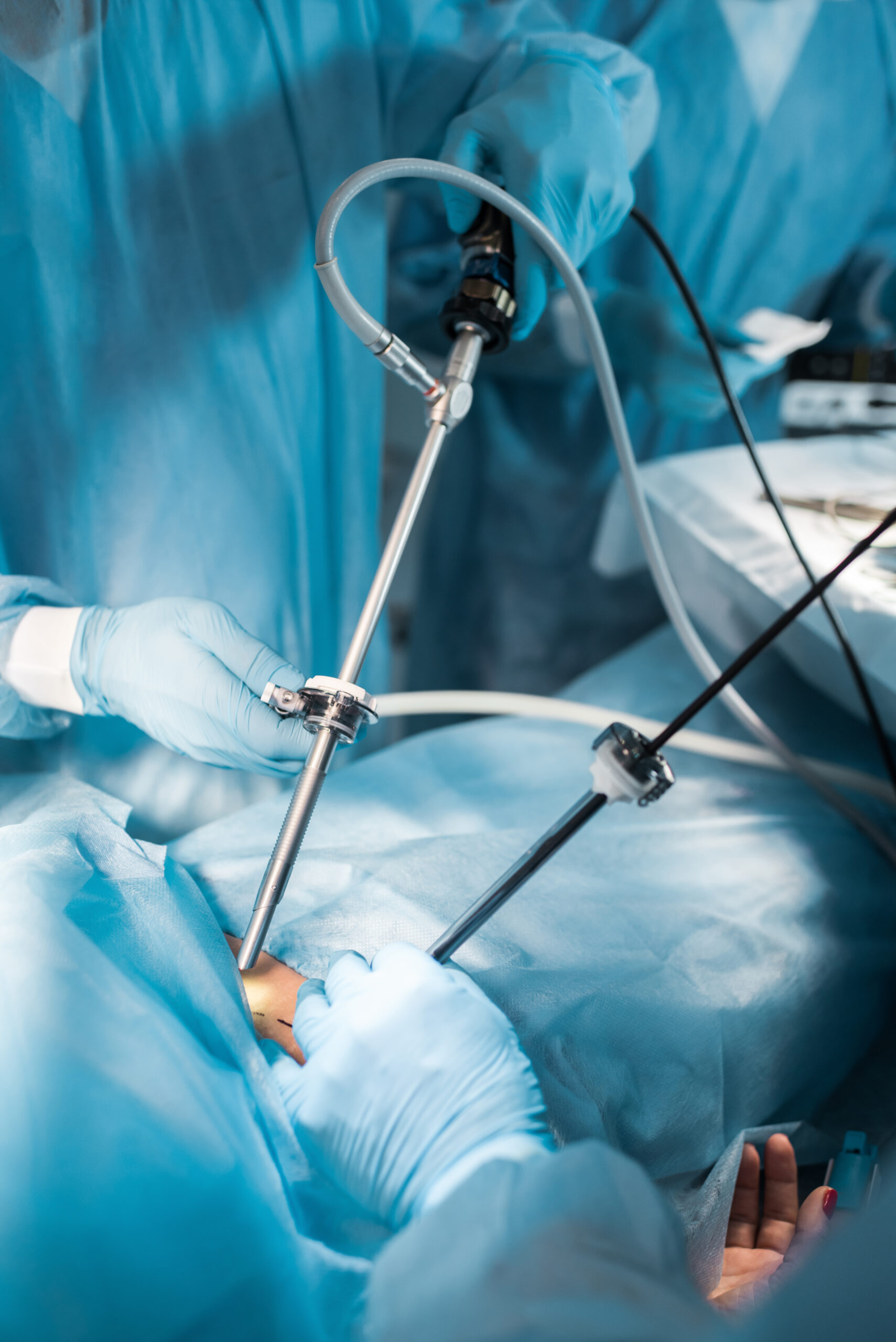
"No abdominal wound to heal means one less thing standing between you and your normal life."
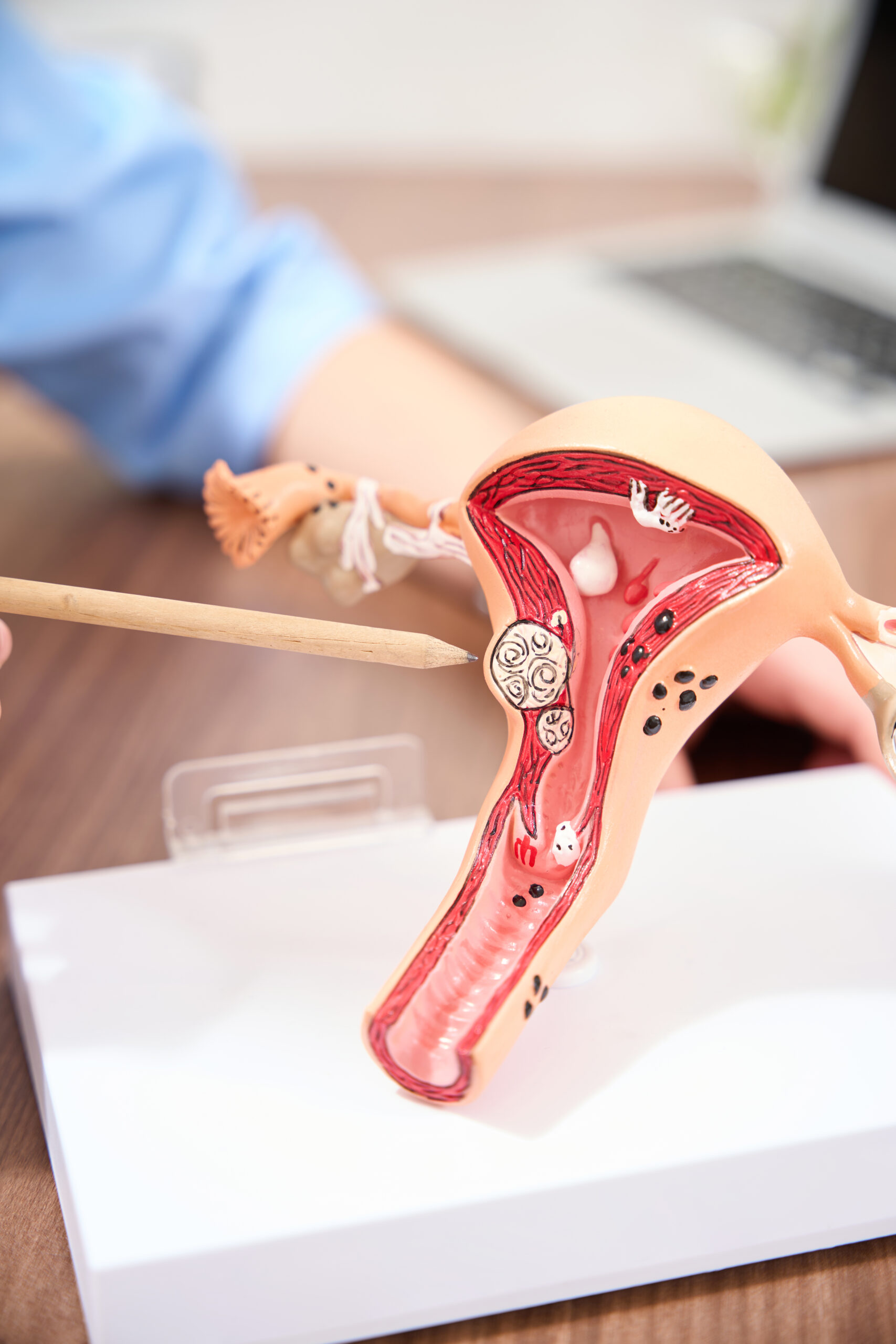
A vaginal hysterectomy is often recommended after a thorough evaluation for conditions including:
When the uterus slips down from its normal position, causing pressure or discomfort.
Menstrual bleeding that is heavy, lasts too long, or disrupts daily life.
Fibroids of a size and position suited to a vaginal approach.
Bleeding that hasn't responded to other treatments.
Certain benign uterine conditions where removal is the recommended course of care.
You're given anaesthesia so you feel no pain during the surgery.
The surgeon accesses the uterus directly through the vaginal canal — no cuts on the abdomen.
The uterus is carefully separated from the surrounding ligaments and blood vessels.
The uterus is removed through the vaginal opening, with no abdominal incision needed.
The top of the vagina is closed with dissolvable stitches.
You're moved to recovery for monitoring before being shifted to your room.
Not every patient needs the same approach. Dr. Nidhi Agrawal recommends the safest and most effective option for your anatomy and condition, rather than a one-size-fits-all method.
Performed entirely through the vaginal canal. Well suited to patients with a smaller uterus and no complicating factors, with no abdominal incisions at all.
Adds a laparoscope through small abdominal incisions to assist in detaching the uterus before it's removed vaginally. Helpful when the uterus is slightly larger or the surgeon needs a clearer view of the pelvic organs.
Recovery is often shorter than after open surgery, since there's no abdominal wound to heal. Every patient heals at her own pace, so Dr. Nidhi Agrawal provides a personalised timeline at follow-up.
Typical hospital stay for monitoring and initial recovery.
Light activities can often resume.
Driving and mild exercise, once cleared by your doctor.
Full recovery; heavy lifting and strenuous activity resume with clearance.
As with any surgery, some risks exist, though serious issues are uncommon with an experienced surgeon. Careful pre-surgical evaluation and post-operative monitoring help reduce these risks and catch concerns early.
At the surgical site, generally manageable with prompt care.
Usually short-lived and resolve as healing progresses.
Rare, and minimised by careful surgical technique.
Occasional concerns during the healing of the vaginal cuff.
Rare, and screened for during your pre-surgical assessment.
Since there is no abdominal incision, patients usually experience less pain, a shorter hospital stay, and a faster return to daily activities.
Not always. It depends on factors like uterus size, previous surgeries, and overall pelvic health. Dr. Nidhi Agrawal assesses each patient individually to confirm the best approach.
Most patients report mild to moderate discomfort in the first few days, which is generally well managed with prescribed pain relief.
While no surgery is completely risk-free, careful pre-surgical assessment and an experienced surgical approach significantly lower the chances of complications.
A laparoscopic vaginal hysterectomy adds a camera-guided step through small abdominal incisions to assist with more complex cases, while a standard vaginal hysterectomy is performed entirely through the vaginal canal.
Schedule a consultation with Dr. Nidhi Agrawal to discuss whether a vaginal hysterectomy is right for you.
Book Appointment