
Choosing the right doctor for your pregnancy can shape your entire birth experience. Dr. Nidhi Agrawal's clinic offers personalised, evidence-based care focused on helping you achieve a safe, natural birth — with expert monitoring at every stage of labour, and a team ready to step in only if it's truly needed.
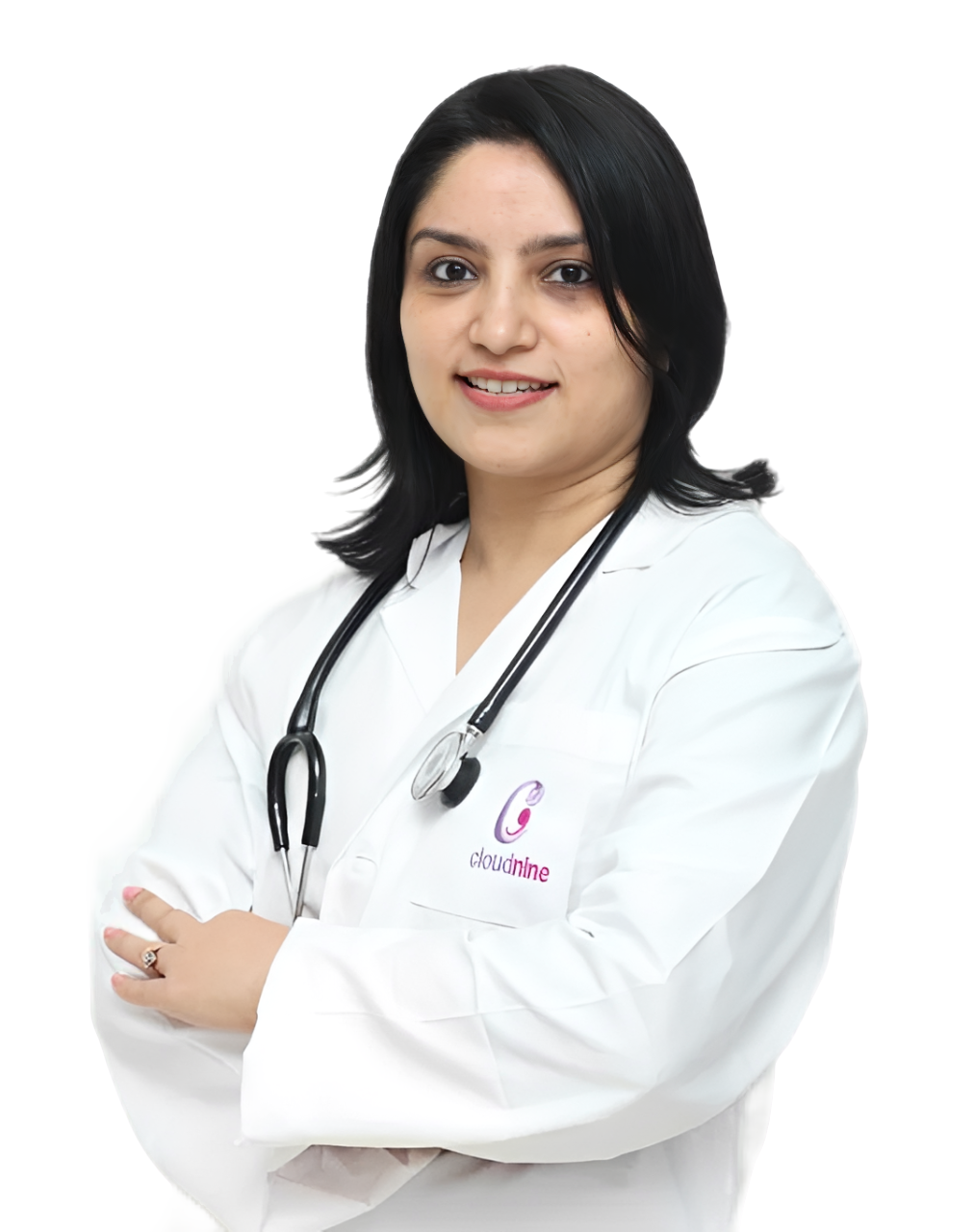
More expecting parents in Noida are actively seeking a trusted normal delivery clinic rather than defaulting to surgery. When a pregnancy is low-risk, a normal delivery offers real advantages — faster recovery, a shorter hospital stay, a lower risk of surgical complications, and immediate skin-to-skin contact that supports bonding and breastfeeding.
At Dr. Nidhi Agrawal's clinic, every pregnancy is monitored closely so that a normal delivery is attempted safely first, with a C-section available only as a genuine backup.

"A calm, natural path to birth — with expert care ready the moment it's needed."
For low-risk pregnancies, doctors generally favour normal delivery. Here's why so many mothers choose it:
Most mothers are up and moving within hours of delivery, rather than days.
A shorter stay eases both the physical stress of recovery and the overall cost of care.
Avoiding surgery lowers the risk of complications like infection or excess blood loss.
Holding your baby right after birth supports early bonding and breastfeeding.
Labour triggers hormone release that helps establish milk production naturally.
If the baby's position or your health calls for it, surgery remains safely available.
A well-regarded gynaecologist and obstetrician in Noida, known for a patient-first approach to childbirth — prioritising natural delivery wherever safely possible, while staying fully prepared for emergencies.
A care plan built around your specific pregnancy, not a one-size-fits-all approach.
Close tracking of both baby and mother throughout pregnancy and labour.
Clear, straightforward guidance at every stage, so you always know where things stand.
An environment designed to ease anxiety and help you feel supported, not rushed.
Ongoing advice on recovery, stitches, and newborn care after you go home.

The cervix dilates from 0 to 10cm, moving through early, active, and transition phases as contractions grow stronger and closer together.
Once you're fully dilated, you push with contractions until the baby is born — lasting anywhere from minutes to a couple of hours.
Mild contractions expel the placenta, usually within 5–30 minutes of the birth.
Throughout labour, your care team tracks the baby's heart rate, your vitals, and overall progress to make sure everything moves forward safely.
Doctors generally favour normal delivery for low-risk pregnancies, but factors like the baby's position or maternal health may make a C-section the safer choice — a decision Dr. Nidhi Agrawal discusses openly with every patient.
| Factor | Normal Delivery | C-Section |
|---|---|---|
| Recovery | 1–3 days | 4–7 days |
| Hospital stay | Shorter | Longer |
| Scarring | None | Surgical scar |
| Post-delivery pain | Localised | Surgical site pain |
Immediate skin-to-skin contact, supporting bonding and breastfeeding initiation.
Hospital rest and monitoring, with mothers encouraged to move around soon after birth.
Stitches (if needed) begin healing — mild swelling or discomfort is normal in this window.
Full healing of stitches typically completes; follow-up visits check recovery and bleeding.
Always check with your doctor before starting any exercise routine in pregnancy.
Supports the baby's optimal positioning as your due date approaches.
Kegels help strengthen the muscles used during labour and recovery.
Improves flexibility and breathing control, both useful during labour.
Can help open the pelvis in preparation for delivery.
A useful tool for managing pain and staying calm through contractions.
Don't skip prenatal visits — they're how your care team catches issues early.
Most doctors consider 39–40 weeks ideal, once the baby is full term.
First-time mothers often labour 12–18 hours; later deliveries are typically faster.
For low-risk pregnancies, yes — faster recovery and fewer surgical risks. Your doctor assesses what's safest for you individually.
Yes — keep the area clean and dry and follow your doctor's aftercare instructions. Dissolvable stitches are common, and healing typically takes 2–4 weeks.
Yes — guided walking, Kegels, and prenatal yoga can all help, but always get your doctor's approval first.
Schedule a consultation with Dr. Nidhi Agrawal to build a personalised birth plan focused on a safe, natural delivery.
Book Appointment