
If your gynaecologist has recommended a hysteroscopy, it's natural to have questions. Dr. Nidhi Agrawal offers a minimally invasive way to diagnose and treat uterine conditions in Noida — with minimal discomfort and a quick recovery.
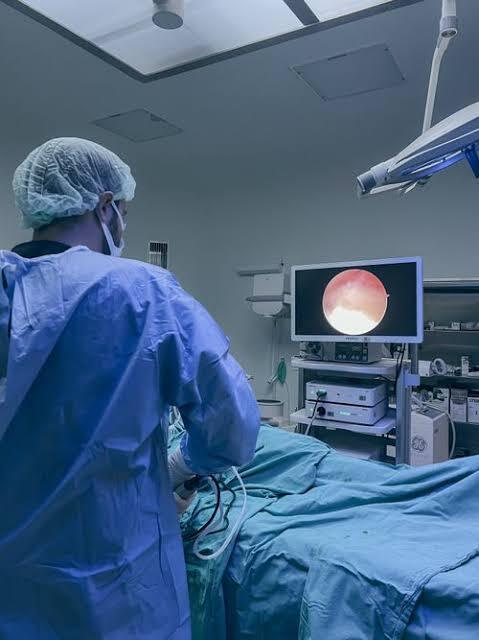
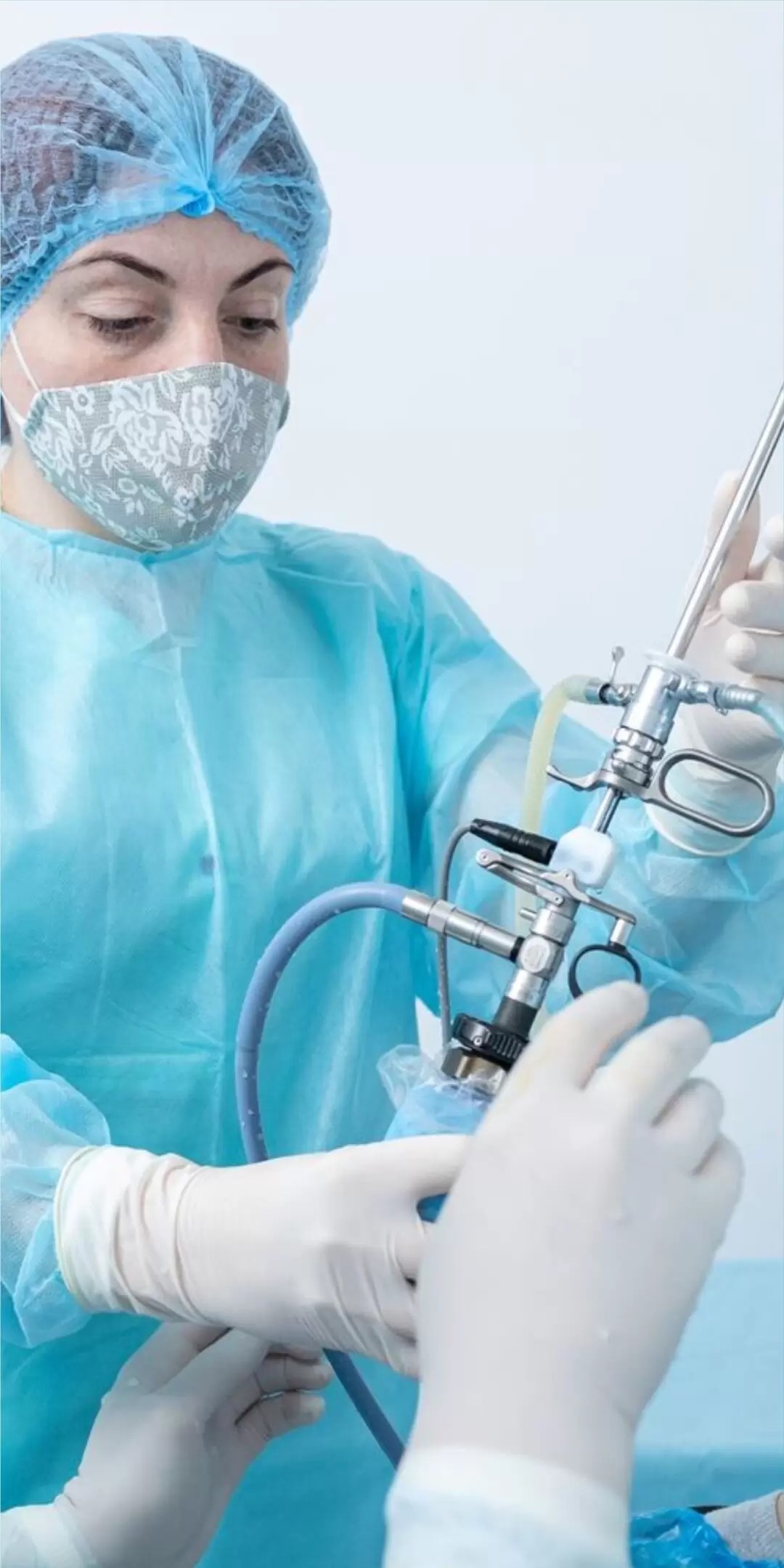
A hysteroscopy is a procedure in which a thin, lighted tube called a hysteroscope is passed through the vagina and cervix into the uterus. This lets the doctor view the uterine cavity directly on a screen, without any abdominal incisions.
A hysteroscopy can be used either to diagnose a problem or to treat one, depending on the findings. Dr. Nidhi Agrawal uses this technique to give patients a clear, accurate picture of what's happening inside the uterus before recommending any treatment.
"A clear look inside — precise diagnosis, targeted treatment."
Several common indications may lead your doctor to suggest this procedure, including:
Uterine bleeding that is irregular, heavy, or hasn't responded to other treatment.
Difficulty conceiving where the cause isn't clear from other tests.
Recurrent pregnancy loss that warrants a closer look at the uterine cavity.
Growths within the uterus identified or suspected on prior evaluation.
Further evaluation after an ultrasound finding that needs a closer look.
Locating and removing an IUD that has shifted out of position.
There are two main types of this procedure, depending on what's needed.
Used purely to examine the uterine cavity and identify the cause of symptoms like abnormal bleeding, infertility, or repeated miscarriage. No treatment is performed during this step.
Performed when treatment is needed at the same time — for example, removing polyps, fibroids, or scar tissue found during the examination.
Precise diagnosis using modern hysteroscopy equipment for a clear view of the uterine cavity.
Findings explained in simple, patient-friendly language, every step of the way.
Both diagnostic and operative hysteroscopy performed with a focus on patient comfort.
Treatment tailored to each patient's specific findings, not a one-size-fits-all approach.
Most procedures are done the same day, letting you go home without an overnight stay.
Clear aftercare instructions and availability to support a smooth, worry-free recovery.
The patient is positioned comfortably, similar to a routine gynaecological exam.
Local or general anaesthesia may be used, depending on whether it's diagnostic or operative.
The cervix is gently dilated to allow the hysteroscope to pass through.
A sterile fluid or gas is used to gently expand the uterine cavity for a clearer view.
The hysteroscope transmits real-time images to a screen; small instruments are passed through if polyps, fibroids, or scar tissue need treating.
The hysteroscope is removed once the examination or treatment is complete, usually within 15–30 minutes for diagnostic cases.
A normal hysteroscopy shows a smooth, healthy uterine lining with no polyps, fibroids, scar tissue, or structural abnormalities. If your results come back normal, it often means your symptoms may be related to hormonal factors or other causes that your doctor will help investigate further.
A normal result is reassuring, but Dr. Nidhi Agrawal will still discuss next steps based on your overall symptoms and health goals.
Mild cramping, light spotting, or bloating for a day or two is normal, especially after diagnostic hysteroscopy.
Most patients go home the same day, on an outpatient basis.
Fever, chills, or increasing pelvic pain instead of gradual improvement.
You notice foul-smelling discharge, heavy bleeding beyond the first day or two, or persistent nausea.
A diagnostic hysteroscopy is generally well tolerated and may cause mild cramping, similar to period pain. Operative procedures, which use anaesthesia, are typically painless during the procedure itself.
A diagnostic hysteroscopy usually takes 15–30 minutes, while operative procedures may take longer depending on what needs to be treated.
Yes, most hysteroscopy procedures, whether diagnostic or operative, are done on an outpatient basis, allowing patients to go home the same day.
If a polyp or fibroid is found, Dr. Nidhi Agrawal can often remove it during the same procedure using operative hysteroscopy, avoiding the need for a separate surgery.
You should reach out if you notice fever, worsening pain, foul-smelling discharge, or heavy bleeding, as these can be signs of infection that need prompt attention.
Schedule a consultation with Dr. Nidhi Agrawal for expert hysteroscopy surgery with a clear, patient-focused approach.
Book Appointment